Wedding Photography Styles Explained: How to Choose the Right One
"What's your style?" is one of the first questions couples ask when enquiring — and one of the hardest to answer clearly, because most photographers list several terms without explaining what they actually mean in practice. Here's a straightforward breakdown so you can tell a venue enquiry what you're actually after.
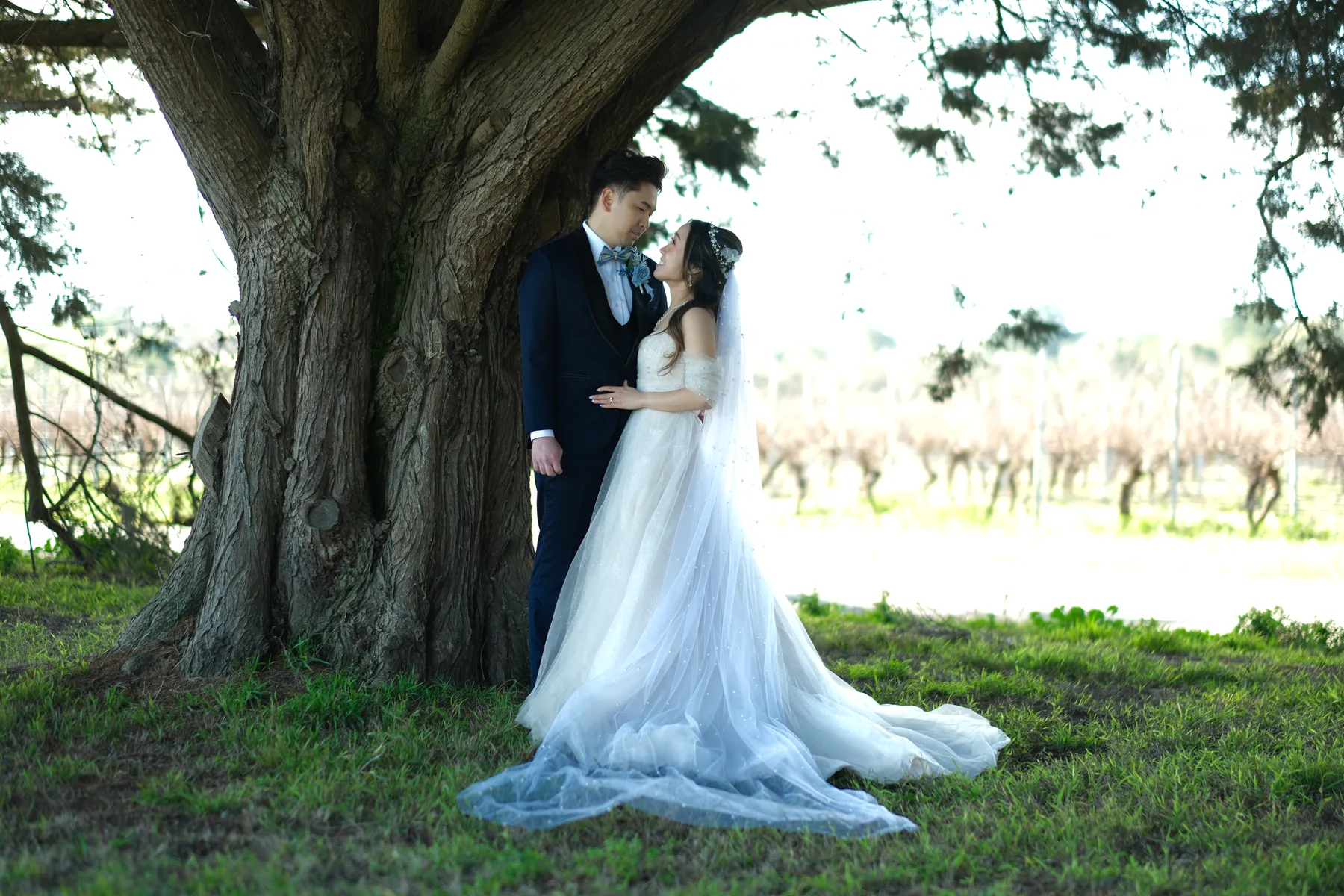
Documentary (photojournalistic) style
Documentary photography means capturing the day as it actually unfolds, with little to no direction. The photographer works like a fly on the wall — anticipating moments rather than arranging them. Think the flower girl mid-giggle, your dad's face during the speeches, the messy joy of the dance floor at 10pm.
The appeal is authenticity: these are the images that put you right back in the room years later, because they're not performed for the camera. The trade-off is that you have less control over exactly how you look in any given frame — a documentary photographer won't ask you to redo an expression.
Traditional (posed) style
Traditional photography is the opposite instinct: the photographer arranges the shot, directs where people stand, and controls composition and expression deliberately. This is where formal family portraits and group shots live — nobody captures a clean 20-person family photo by accident.
Posed photography guarantees a specific, flattering result and is essential for the shots your family will actually want framed — group portraits, the two of you looking directly at the camera, formal shots with grandparents. Almost every wedding needs some of this, even couples who otherwise want a candid-heavy gallery.
Fine-art (editorial) style
Fine-art or editorial photography borrows from fashion and magazine shoots — dramatic natural light, considered composition, and a cinematic or painterly finish. It shows up almost exclusively in the couple's portrait session, where there's time to find good light and work a location properly.
This is the style behind the single striking image couples often print large for their wall — golden-hour backlighting, a dramatic doorway silhouette, a wide shot that makes the most of a stunning venue. It takes longer to shoot than candid or basic posed images, which is why it's usually scheduled as its own block of time rather than squeezed in throughout the day.
| Style | Best For | What to Expect |
|---|---|---|
| Documentary | Ceremony, reception, getting-ready, reactions | Natural, unposed, emotionally honest. Minimal direction from your photographer. |
| Traditional | Family groups, formal portraits, bridal party | Arranged compositions, direct eye contact, predictable and flattering results. |
| Fine-art / Editorial | Couple portraits, golden hour, statement wall art | Dramatic light and composition, cinematic finish, takes dedicated time to shoot. |
Most weddings we photograph use all three across the day — documentary coverage through the ceremony and reception, traditional posing for family groups, and a fine-art portrait session with the couple. Very few couples want one style exclusively once they see the full picture.
How to figure out what you actually want
Scroll through a photographer's full wedding galleries, not just their curated portfolio or Instagram grid. Portfolios are highlight reels by definition — the full gallery shows you the ratio of candid to posed to editorial shots, which is what you're really deciding on.
Notice which images you keep going back to. If you're drawn to quiet, unguarded moments, say so explicitly in your first enquiry — "mostly documentary, with some family portraits" is a genuinely useful brief. If you love a specific dramatic portrait you've seen somewhere, save it and show your photographer directly; it communicates more than any style label.
How we shoot at Sonder Clicks
Our approach is documentary-led: we spend most of the day capturing things as they happen, staying out of the way during the ceremony and reception so the moments stay real. Then we carve out a dedicated portrait window with the two of you, where we slow down and shoot with more intention — better light, considered composition, a more editorial finish.
Family and bridal party portraits get the traditional treatment because that's what actually works for a clean group shot. The result is a gallery that feels warm and true to your day, with a handful of striking, cinematic images you'll want printed large. Browse our portfolio to see the blend in practice, or view our packages to see what's included.
If you're still deciding how many hours of coverage you'll need to capture all of this properly, our wedding day timeline guide walks through a realistic hour-by-hour breakdown.
Frequently asked questions
Documentary (photojournalistic) photography captures moments as they naturally happen, with minimal direction. Traditional photography relies on posed, arranged shots — the photographer sets up the composition and guides where people stand and look. Most modern Melbourne photographers, including us, blend both across the day.
Fine-art (or editorial) wedding photography treats portraits like a magazine shoot — considered composition, dramatic light, and a painterly or cinematic finish. It's most common in the couple portrait session and typically takes more time to set up than candid or traditional shots.
A documentary-led approach with fine-art portraits is currently the most requested combination among Melbourne couples — natural candid coverage through the day, with a dedicated portrait window shot with more intention and styling.
Yes, and most experienced wedding photographers do. The skill is knowing when to step back and document naturally versus when to slow down and direct a portrait. Ask to see a photographer's full wedding galleries, not just curated portfolio shots, to judge how well they blend styles in practice.
Look at full wedding galleries from photographers you like, not just their highlight reels, and note which images you're drawn to — the quiet candid ones or the styled portraits. Most couples find they want a mix, which is worth naming explicitly in your first enquiry.
We shoot documentary-led coverage through the ceremony and reception, with a dedicated fine-art portrait session for the couple. It's a warm, cinematic blend rather than a strictly posed or strictly candid approach.